Quick answer
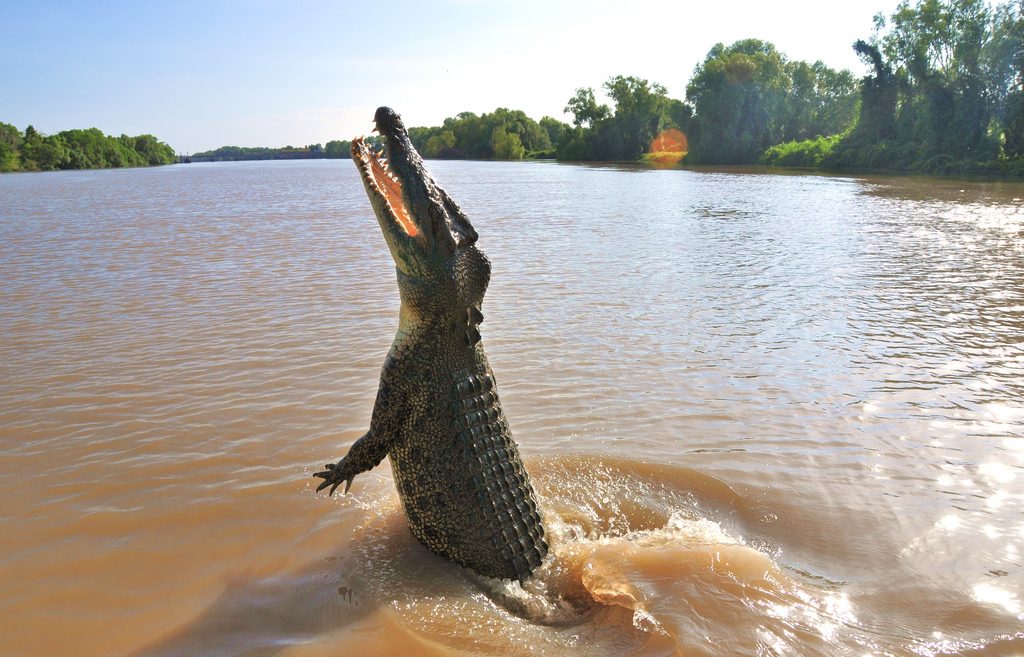
Yes, there are crocodiles in Darwin—both saltwater (Crocodylus porosus) and freshwater (Crocodylus johnstoni) species occupy the Top End's waterways, with an estimated 100,000 saltwater crocodiles across the Northern Territory. Saltwater crocodiles range through tidal rivers, estuaries, and coastal zones within Darwin's city limits, while freshwater species prefer inland billabongs and upper river systems. Peak activity occurs during the wet season (November–April), when flooding expands their range.
The Northern Territory supports the largest wild saltwater crocodile population on Earth, with dense concentrations in the Darwin region's tidal systems. Crocodylus porosus—commonly called salties—dominate estuarine and coastal zones, including the Adelaide, Mary, and Daly Rivers that flow near the city. Freshwater crocodiles, smaller and less aggressive, occupy inland tributaries and seasonal wetlands across the Top End. Both species are protected under territorial law, and their numbers have recovered significantly since hunting bans took effect in 1971. Saltwater crocodiles in Darwin are apex predators that can exceed five meters in length and weigh over 1,000 kilograms. They regulate estuarine ecosystems by controlling fish and mammal populations, and their presence shapes human activity across the region. Warning signs mark known crocodile zones along the Darwin waterfront, and the territorial government maintains a management program that relocates problem animals from urban areas. Despite these measures, encounters remain a risk in any natural waterway within 50 kilometers of the coast. For those seeking close observation without venturing into the wild, Crocosaurus Cove in central Darwin provides controlled access to both species. The facility houses mature saltwater crocodiles, including specimens rescued from conflict zones, and operates daily feeding demonstrations that illustrate hunting behavior and jaw mechanics. Viewing galleries place visitors within centimeters of these animals, separated only by reinforced acrylic panels. The experience contextualizes the wild population's ecology and the precautions that make coexistence possible in a crocodile-dense environment. Understanding crocodile distribution in Darwin requires recognizing seasonal movement patterns. During the dry season (May–October), salties concentrate in permanent waterholes and tidal zones, making their locations more predictable. Wet-season flooding disperses them across floodplains and into temporary channels, increasing the likelihood of unexpected encounters. Park rangers and wildlife authorities monitor high-traffic zones, but the responsibility for safety ultimately rests with residents and visitors who must treat all Top End waterways as occupied habitat.
“The Northern Territory supports the largest wild saltwater crocodile population on Earth, with dense concentrations in the Darwin region's tidal systems.”
Are There Crocodiles In Darwin: Local Population Facts
The Northern Territory is home to the world's largest wild population of saltwater crocodiles, which are highly adapted to the tropical environment surrounding Darwin. Understanding their biology provides context for their prevalence in local waterways.
100,000 wild saltwater crocodiles
The Northern Territory contains an estimated population of over 100,000 saltwater crocodiles, representing the highest density of the species in Australia. They inhabit tidal rivers, coastal floodplains, and billabongs across the region.
6 to 7 meters in length
Saltwater crocodiles are the largest living reptiles on Earth, with males capable of reaching lengths of 6 to 7 meters. Females are typically smaller, usually growing up to 3 meters in length.
Salt glands for saline tolerance
Unlike freshwater crocodiles, saltwater species possess functional lingual salt glands that allow them to excrete excess salt. This biological adaptation enables them to survive and travel through marine environments.
Apex predator role
As apex predators, these crocodiles maintain the health of aquatic ecosystems by controlling prey populations. Their diet shifts as they age, moving from insects and small fish to larger vertebrates.
Temperature-dependent sex determination
The gender of hatchling crocodiles is determined by the incubation temperature of the eggs within the nest. Temperatures around 31.6 degrees Celsius typically produce the highest percentage of males.
Bite force of 3,700 pounds
The saltwater crocodile possesses the strongest bite force ever recorded in the animal kingdom, measured at approximately 3,700 pounds per square inch. This physical capability allows them to tackle large prey in their natural habitat.
Seeing The Species: Are There Crocodiles In Darwin At Crocosaurus Cove?
Crocosaurus Cove houses a diverse collection of saltwater crocodiles, providing visitors with opportunities to observe these reptiles in varied aquatic environments. The facility features several distinct zones designed for underwater viewing and educational interaction.
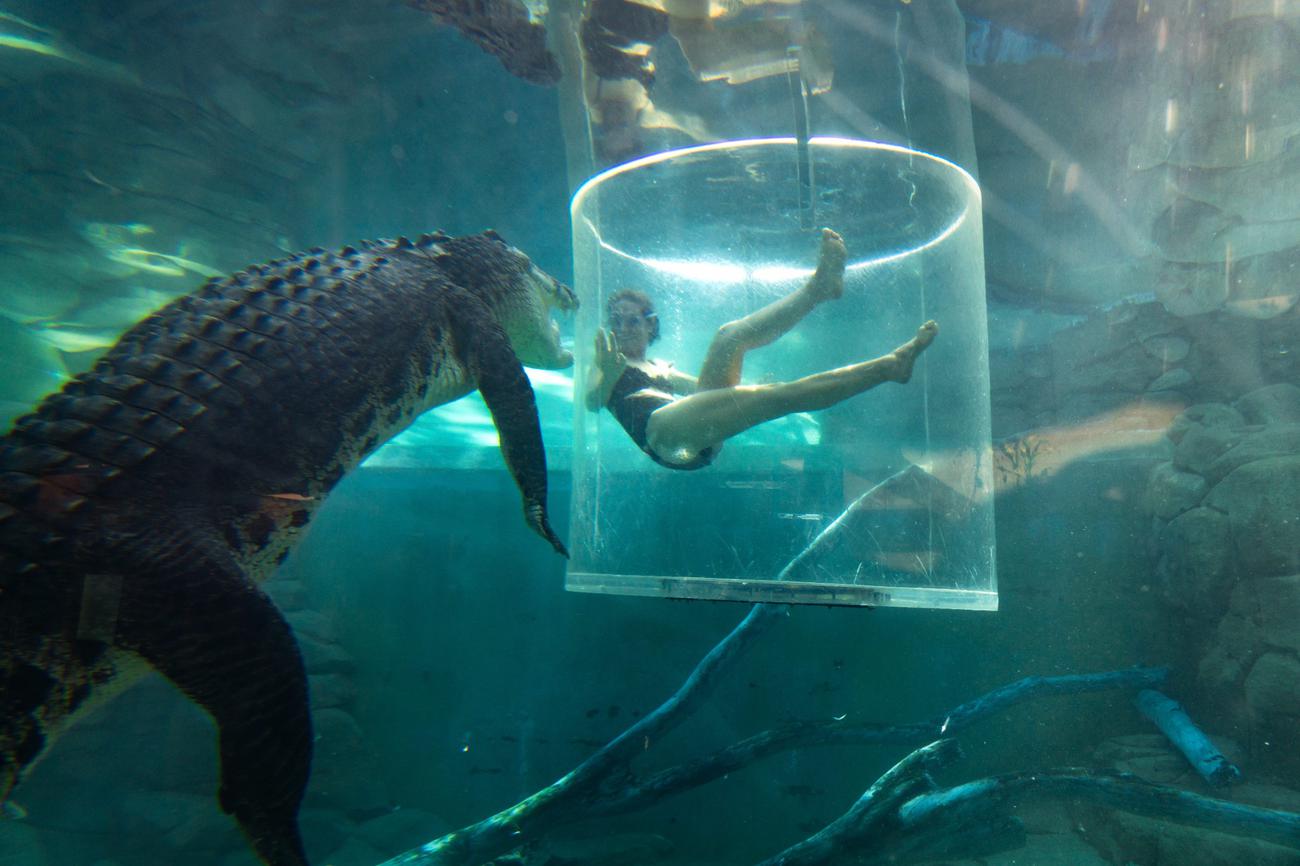
Croc Pool
This central enclosure contains large saltwater crocodiles, allowing observers to see the animals both above and below the water level. Viewing panels provide clear perspectives of their swimming behavior.
View from the lower level glass for clearer underwater movement observations.
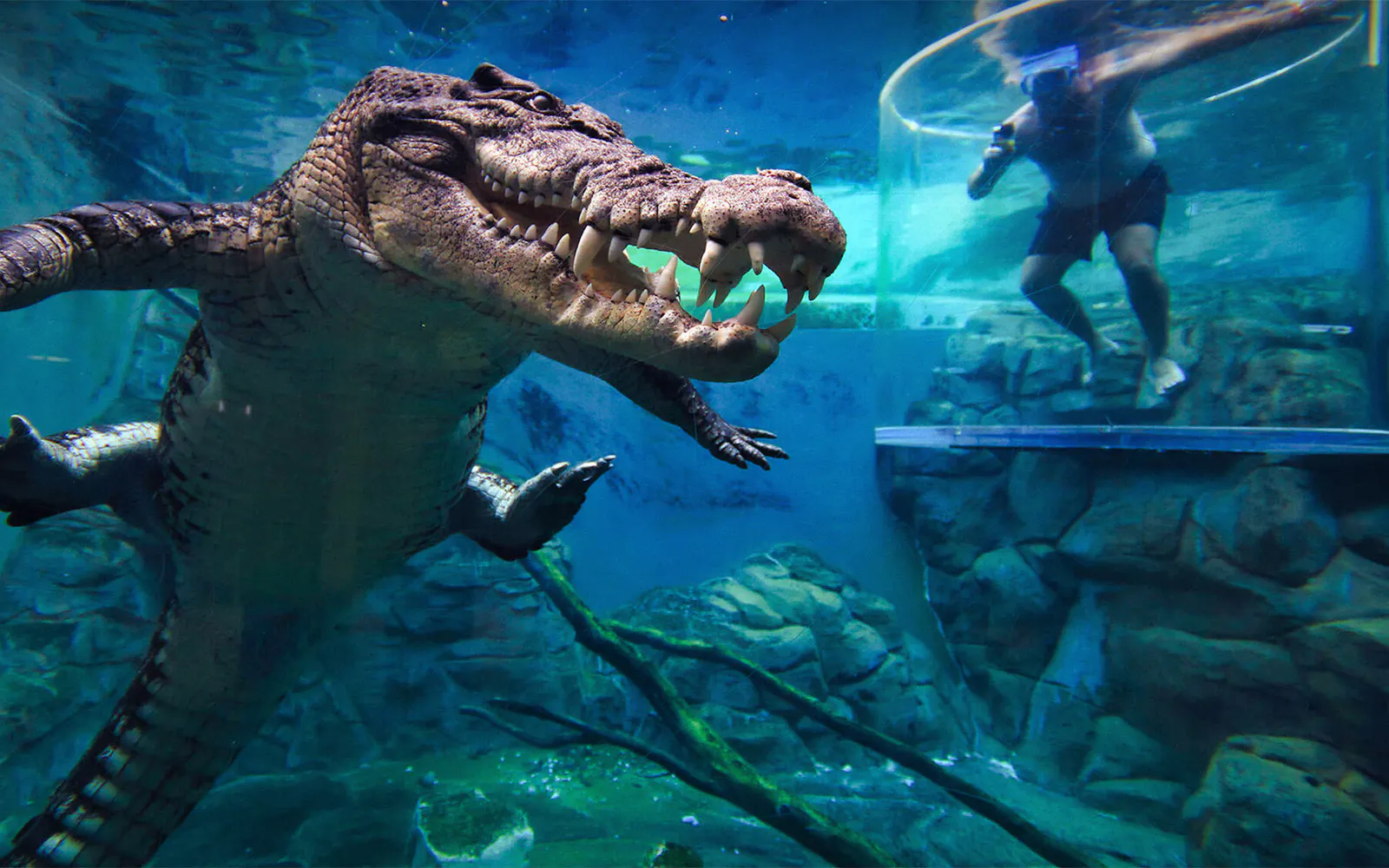
Reptile Enclosure
This area displays various smaller reptiles and hatchlings native to the Northern Territory, highlighting the diversity of the local ecosystem. It provides insight into the growth stages of crocodiles.
Visit during quieter periods to view the younger crocodiles undisturbed.
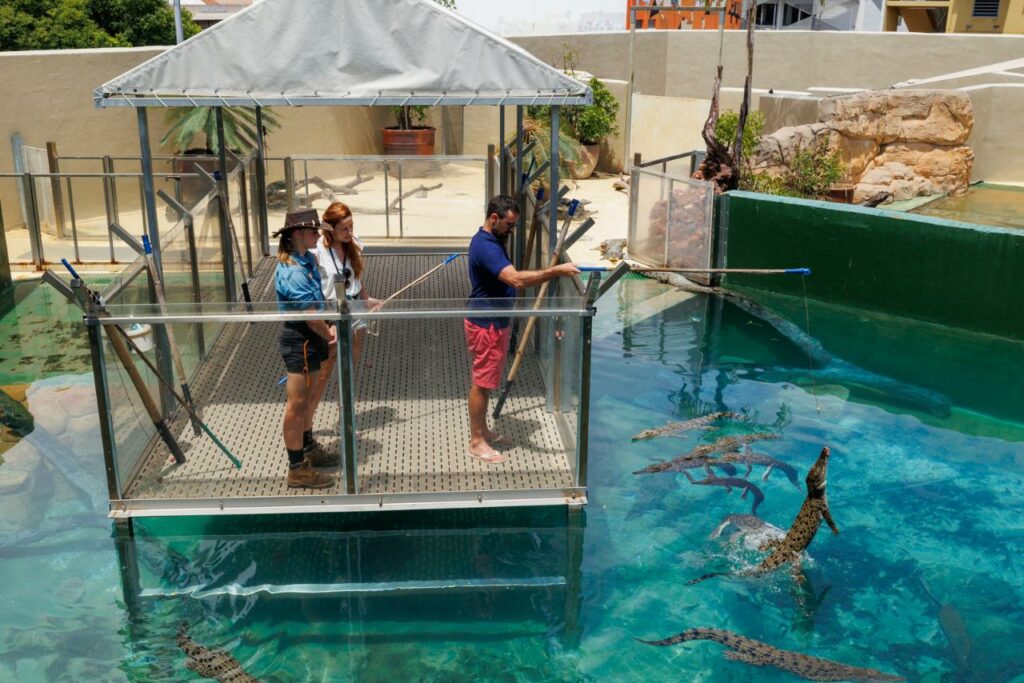
Aquarium Zone
The aquarium showcases freshwater species alongside crocodile habitats, illustrating the complex interactions within Northern Australian waterways. It focuses on the aquatic environment that these reptiles inhabit.
Walk slowly past the tanks to spot camouflaged freshwater fish.
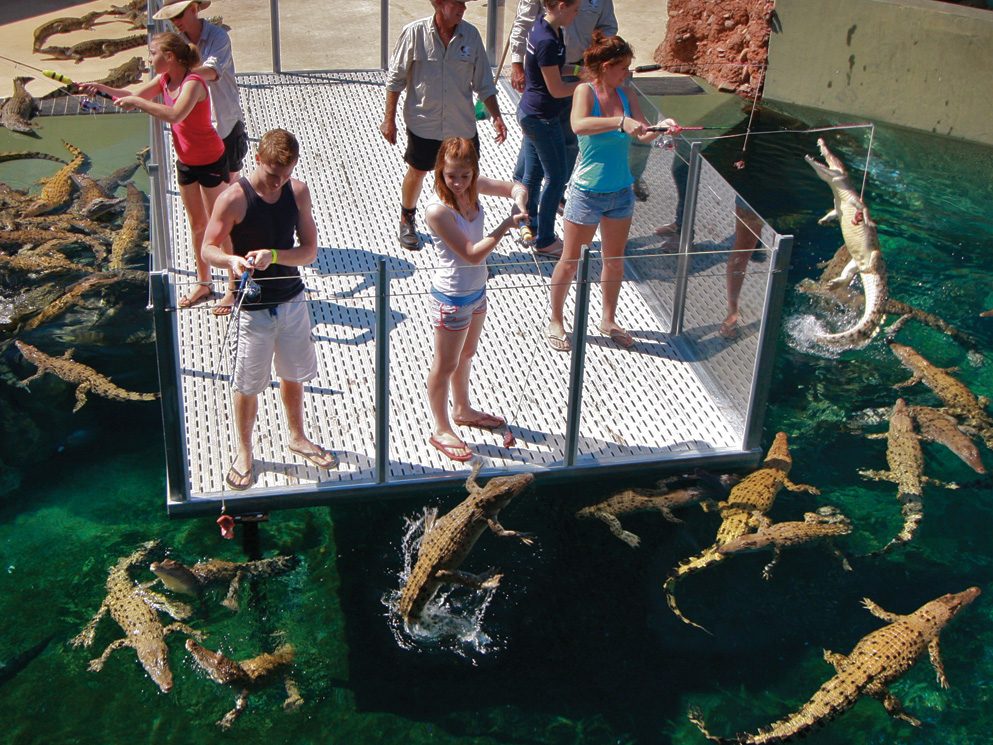
Big Croc Feed
Daily sessions allow visitors to observe the feeding behaviors and physical power of large crocodiles during scheduled demonstrations. This highlights the hunting instincts of the reptiles.
Arrive early to secure a position along the upper viewing rail.
When Are There Crocodiles In Darwin Available To Visit?
Crocosaurus Cove maintains a consistent schedule throughout the week to provide access to the crocodile exhibits. Visitors may arrive daily between 09:00 and 18:00.
| Monday | 09:00–18:00 | |
|---|---|---|
| Tuesday | 09:00–18:00 | |
| Wednesday | 09:00–18:00 | |
| Thursday | 09:00–18:00 | |
| Friday | 09:00–18:00 | |
| Saturday | 09:00–18:00 | |
| Sunday | 09:00–18:00 |
Getting To Where Are There Crocodiles In Darwin
Crocosaurus Cove is located at 58 Mitchell Street in the heart of Darwin City. The site is accessible via public transit, taxi, or walking for those staying within the central business district.
Darwin Bus Interchange, Harry Chan Ave
Mitchell Street via Stuart Highway
Drop-off at Mitchell Street entrance
Walk via Knuckey St or Mitchell St
Check availability
Common questions about are there crocodiles in darwin
Everything you need to know about are there crocodiles in darwin