
Quick answer
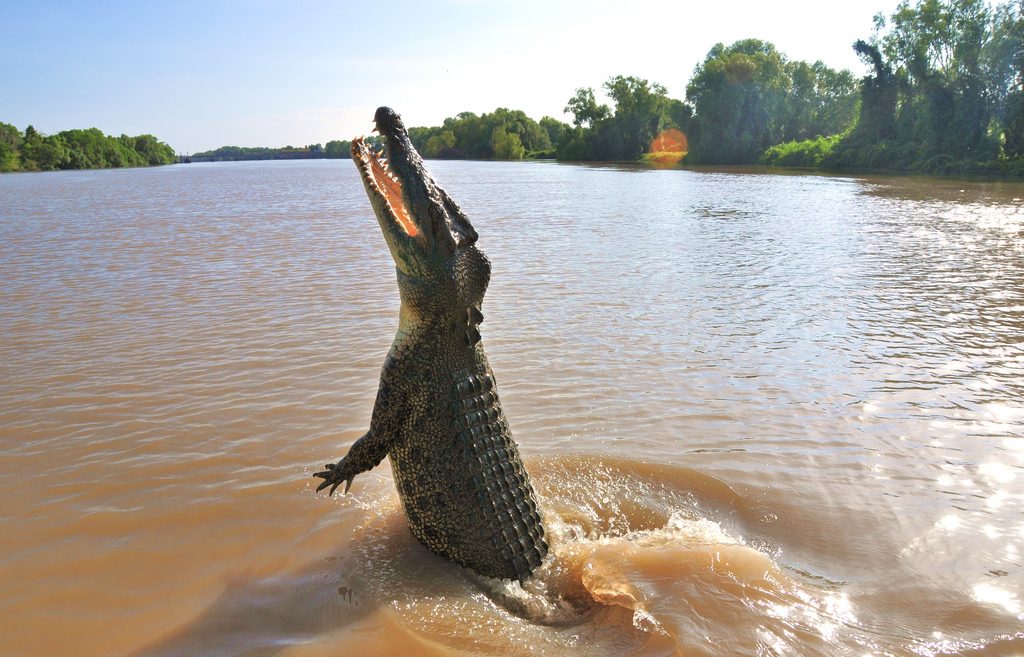
Crocodiles in Darwin beaches are present year-round, particularly saltwater crocodiles that inhabit tidal estuaries, river mouths, and coastal shallows throughout the Top End. Swimming, wading, or standing near the water's edge at Darwin-area beaches is not recommended due to the consistent presence of large estuarine crocodiles. Authorities post warning signs at high-risk locations, and beach closures are enforced when sightings are confirmed near popular access points.
Saltwater crocodiles occupy every tidal waterway within 50 kilometers of Darwin, including Mindil Beach, Casuarina Beach, and the mangrove systems that fringe the harbor. Unlike southern Australian beaches where the primary risk is rip currents, the danger here is biological and year-round. Estuarine crocodiles are opportunistic ambush predators that can remain submerged for over an hour, waiting motionless in murky water before striking. Adults patrol coastlines during the wet season when floodwaters push them into new territory, but dry-season sightings at beach access points remain common. Warning signs installed by the Northern Territory government mark high-risk zones, but the absence of a sign does not mean the absence of crocodiles. Rangers conduct regular surveys and trap problem animals reported near populated areas, yet the reptiles' mobility and camouflage make complete removal impossible. Local policy emphasizes coexistence rather than eradication: crocodiles are a protected species under Territory law, and understanding their behavior is considered essential for anyone living in or visiting the region. Crocosaurus Cove, located at 58 Mitchell Street in Darwin's CBD, offers controlled encounters with these apex predators in a secure environment. The facility houses both saltwater and freshwater species and provides educational displays on crocodile biology, territorial range, and the mechanics of ambush hunting. Feeding demonstrations run multiple times daily between 09:00 and 18:00, allowing visitors to observe predatory behavior from behind reinforced barriers. The center's Cage of Death experience—a transparent acrylic cylinder submerged in a crocodile enclosure—delivers close-range observation without the risk inherent to open-water encounters. General adult admission is 42 AUD for full-day entry, and arriving between 09:00 and 11:00 aligns with scheduled feeding shows while avoiding peak afternoon crowds. For those planning beach visits in the Darwin area, the Northern Territory government maintains a CrocWise public safety program that maps recent sightings and outlines behavior protocols. The program advises staying at least five meters from the water's edge, never cleaning fish near shorelines, and avoiding routine patterns near tidal zones. These guidelines apply to all coastal and estuarine areas in the Top End, not just designated swimming beaches. The message is consistent: crocodiles in Darwin beaches are a permanent ecological reality, and safety depends on informed avoidance rather than assumption of risk.
“Estuarine crocodiles are opportunistic ambush predators that can remain submerged for over an hour, waiting motionless in murky water before striking.”
Opening Hours for Crocodiles in Darwin Beaches Alternatives
Crocosaurus Cove operates daily throughout the week, providing consistent access for those interested in learning about crocodile behavior and local wildlife safety.
| Monday | 09:00–18:00 | |
|---|---|---|
| Tuesday | 09:00–18:00 | |
| Wednesday | 09:00–18:00 | |
| Thursday | 09:00–18:00 | |
| Friday | 09:00–18:00 | |
| Saturday | 09:00–18:00 | |
| Sunday | 09:00–18:00 |
How to Get to Crocodiles in Darwin Beaches Safe Alternatives
Crocosaurus Cove is located at 58 Mitchell Street in the Darwin City center. It is easily accessible via public transit, taxi, or walking from most central hotels.
Darwin Bus Interchange, Harry Chan Ave
Mitchell Street via Stuart Hwy
Direct drop-off at 58 Mitchell Street
Accessible from Smith Street Mall
Check availability
Frequently Asked Questions About Crocodiles in Darwin Beaches
Everything you need to know about crocodiles in darwin beaches